 English
 Español
 Português
 Pусский
Solenoid Valve vs. Electric Valve: A Comprehensive Comparison Guide
Choosing the right valve is vital for system efficiency. A wrong choice can lead to costly leaks or total system failure. Most engineers choose between solenoid valves and electric valves.
Solenoid valves use electromagnetic coils. Electric valves, or motorized valves, use motors and gears. This guide helps you compare them across several key dimensions.
How They Work
Solenoid valves work through electromagnetism. A coil creates a magnetic field to move a plunger. This action is fast and direct.
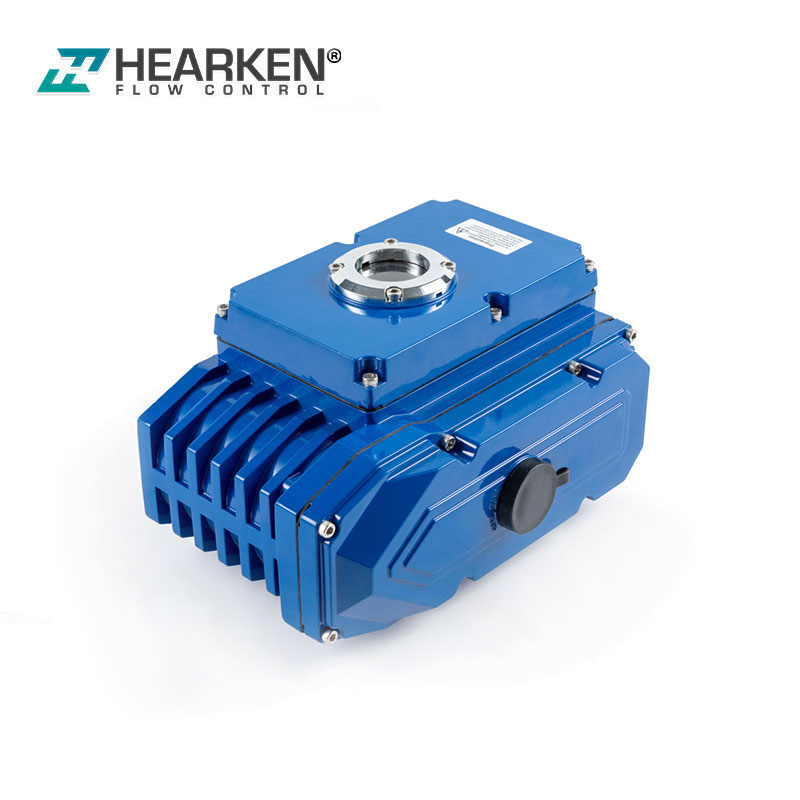
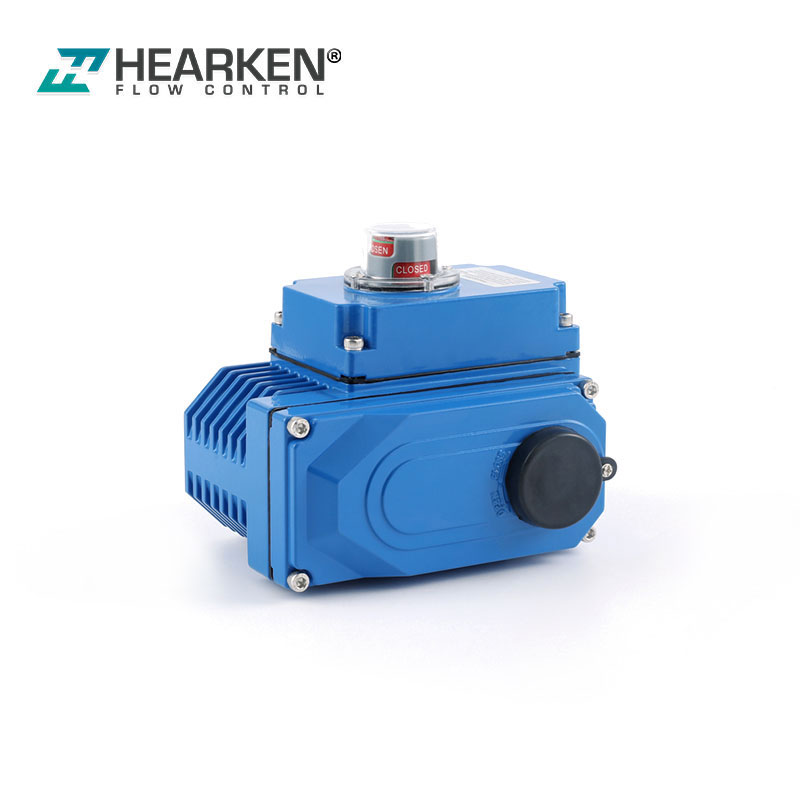
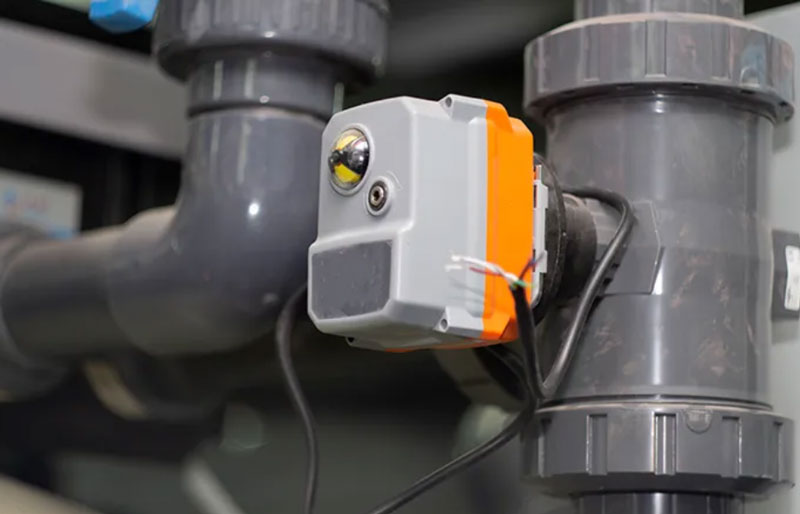
Electric valves use a motor-driven actuator. The motor turns gears to move the valve stem. This is common for ball or butterfly valves.
Key Technical Differences
The following table summarizes the core differences for quick reference.
|
Feature |
Solenoid Valve |
Motorized Valve |
|
Response Speed |
Instant (Milliseconds) |
Slower (Seconds) |
|
Bore Size |
Usually Small (< DN50) |
Large (DN50 to DN1000+) |
|
Control Type |
Mainly On/Off |
On/Off or Modulating |
|
Power Use |
High (Continuous) |
Low (Only when moving) |
|
Water Hammer |
High Risk |
Low Risk |
|
Medium |
Clean Liquids/Gases |
Includes Dirty/Viscous Fluids |
Performance Deep Dive
Speed and Protection
Solenoid valves switch almost instantly. They are perfect for high-frequency tasks. However, this speed can cause water hammer. Electric valves move slowly. This prevents pressure shocks in your pipes. Hearken recommends electric valves for large pipelines to protect your infrastructure.
Precision and Control
Most solenoids are either fully open or fully closed. Electric valves offer modulating control. You can use a 4-20mA signal to adjust the opening percentage. This allows for precise flow regulation.
Energy Efficiency
Solenoid valves usually need constant power to hold their position. Electric valves only consume energy while the motor is turning. Once it reaches the target, it stops and stays in place mechanically. This saves energy over long periods.
Application and Durability
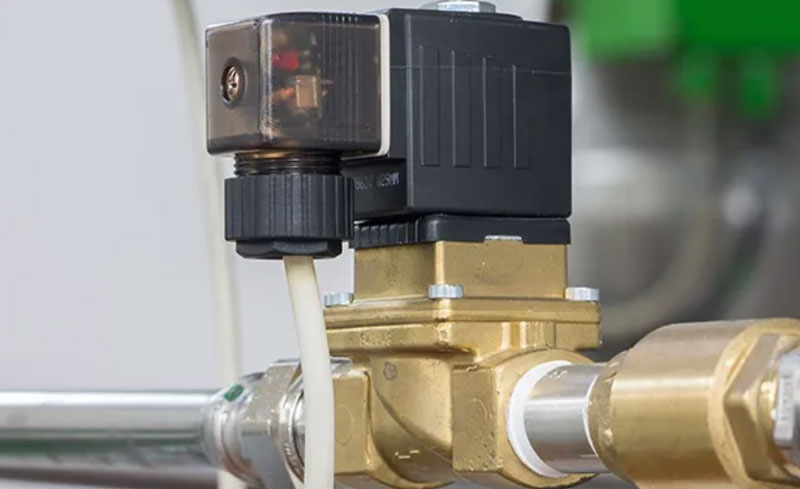
Solenoid valves are very compact. They fit well in small machines or medical devices. They require clean fluids because dirt can jam the plunger.
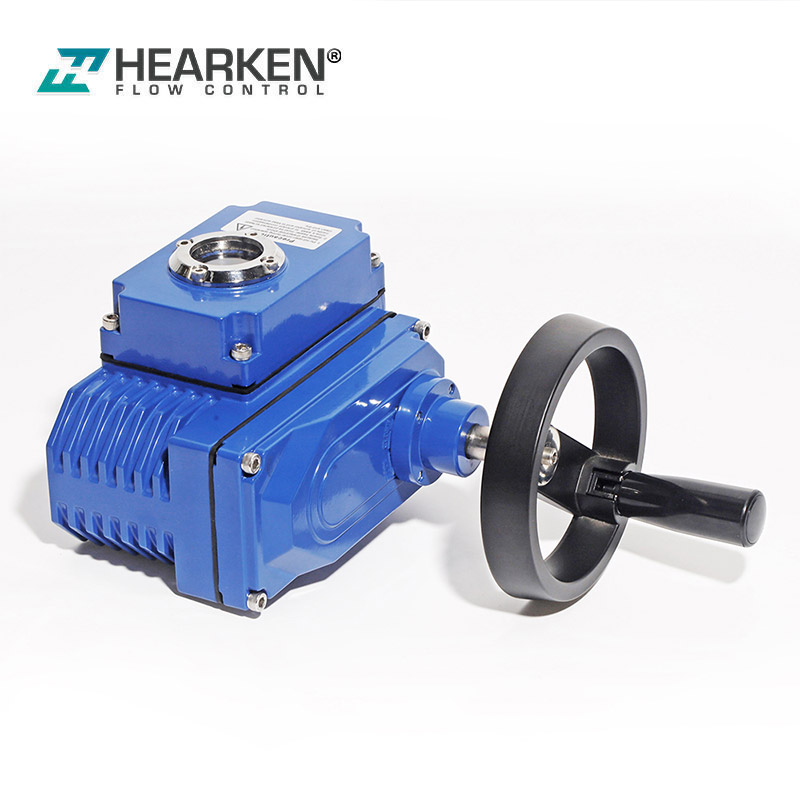
Electric valves are robust. They handle debris and high-viscosity liquids better than solenoids. Many Hearken electric actuators also include a manual override. You can still operate the valve if the power goes out.
Quick Selection Guide
Choose a Solenoid Valve if:
- You need high-speed switching.
- Your space is limited.
- You are using clean water, air, or gas.
Choose an Electric Valve if:
- You have a large pipe diameter.
- You need to regulate the flow rate precisely.
- You want to avoid pipe damage from water hammer.
Conclusion
Both valves serve specific needs. Solenoids offer speed and simplicity. Electric valves offer power and control. Always consider your total cost of ownership. Hearken provides high-quality options for both types to ensure your project succeeds.
FAQ
Q1. Is a solenoid valve better for emergency shut-offs?
Yes. Their fast response time makes them ideal for safety shut-off applications.
Q2. Can electric valves handle high temperatures?
Yes. Because the motor is separated from the valve body, they often handle heat better than solenoid coils.
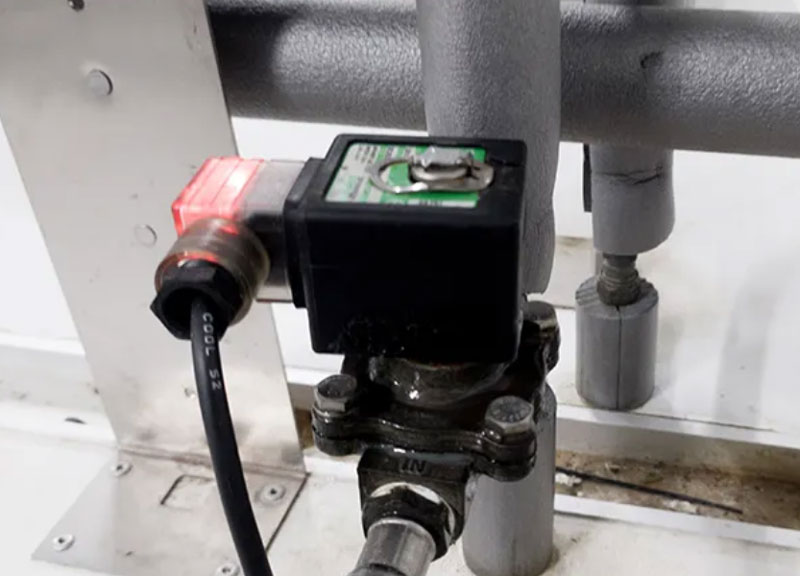
Q3. Why is my solenoid valve humming?
This usually happens due to low voltage or dirt inside the valve. It can also happen if the AC frequency is unstable.
Q4. Do electric valves work without power?
Standard models do not move without power. However, models with manual overrides allow for hand operation.
Q5. Which is more expensive?
Solenoid valves usually have a lower initial cost. Electric valves are more expensive but save money on energy and maintenance in large systems.