 English
 Español
 Português
 Pусский
What is a Solenoid Valve?
A solenoid valve is an electromechanical switch used to control fluid or gas flow. They are the essential gatekeepers of modern piping. Hearken provides the high-performance actuators and integration solutions needed to keep these systems running safely.
A solenoid valve works by using an electric current to create a magnetic field in a coil. This magnetic field moves a metal plunger to open or close a valve orifice. It instantly starts or stops the flow of media, making it the most critical component for fast-acting industrial automation.
How Does a Solenoid Valve Work?
Core Components
- Valve Body: The primary pressure housing.
- Solenoid Coil: The copper winding that creates the magnet.
- Plunger: The moving rod that blocks the flow.
- Spring: Resets the valve when power is removed.
The Operation Process
When energized, the coil pulls the plunger up to open the valve. When power is cut, the spring pushes the plunger back down to seal the orifice. This happens in milliseconds.
Major Types of Solenoid Valves
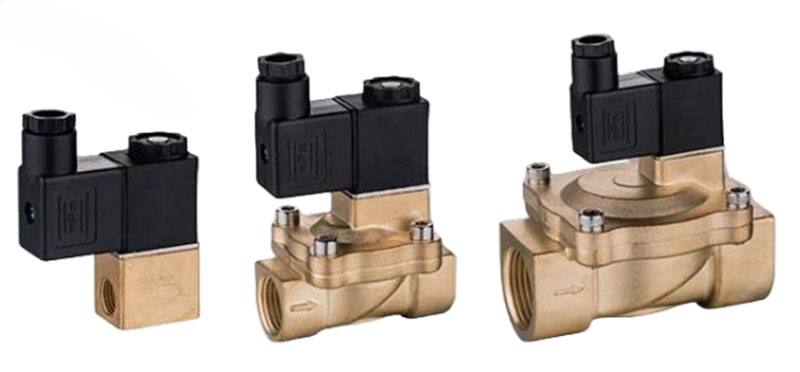
- Direct-Acting: The plunger directly opens the hole. Best for small pipes and low pressure.
- Pilot-Operated: Uses the fluid’s own pressure to move a diaphragm. Best for large pipes and high pressure.
- Normally Closed (NC): Stays shut until power is applied. Standard for safety.
- Normally Open (NO): Stays open until power is applied. Best for continuous flow systems.
Solenoid Valves vs. Actuated Valves
While both control flow, they serve different operational needs.
|
Feature |
Actuated Ball/Butterfly Valves |
|
|
Switching Speed |
Milliseconds (Very Fast) |
Seconds (Slower) |
|
Flow Capacity |
Low to Medium |
High (Full Bore) |
|
Operation Type |
On/Off Only |
On/Off or Modulating |
|
Media Handling |
Clean liquids/gases |
Slurries/Dirty/Viscous fluids |
|
Fail-Safe |
Internal Spring |
Requires Hearken actuators |
Selection Criteria & Specifications
To ensure system reliability, consider these technical factors:
- Media Compatibility: Choose Stainless Steel or Brass bodies based on your fluid.
- Seal Materials: Use Viton or EPDM to resist chemical corrosion.
- Voltage: Common options include 24V DC or 220V AC.
- Protection: Look for Hearken-standard IP65 or explosion-proof (ATEX) ratings for harsh environments.
Common Industrial Applications
- Water Treatment: Automated chemical dosing.
- Oil & Gas: Emergency shut-off systems.
- Food & Beverage: Sanitary flow control for filling lines.
- Manufacturing: Driving pneumatic cylinders in factory assembly.
Troubleshooting and Maintenance
- Valves won't open: Check for coil burnout or insufficient voltage.
- Leaking: Usually caused by debris under the seal or a worn diaphragm.
- Buzzing noise: Often a sign of a stuck plunger or a faulty AC coil.
Conclusion: Optimizing Your Flow Control
Solenoid valves provide the speed and precision required for modern industry. For larger-scale control, these valves often work as "pilots" for Hearken heavy-duty actuators. Choosing the right combination ensures long-term efficiency and safety.
FAQ: Frequently Asked Questions
Q1. Can a solenoid valve handle high-viscosity oil?
Most standard solenoids are for clean, thin fluids. For thick oils, an actuated ball valve is a better choice.
Q2. What is "MOPD" in valve specs?
MOPD stands for Maximum Operating Pressure Differential. It is the highest pressure difference the valve can handle while switching.
Q3. Why do solenoid coils burn out?
Coils burn out due to incorrect voltage, moisture ingress, or leaving a non-continuous coil energized for too long.
Q4. Is flow direction important?
Yes. Most valves have an arrow. Installing it backward will prevent the valve from sealing properly.
Q5. Can I use a solenoid valve for steam?
Only if specifically rated. Steam requires high-temperature seals like PTFE and specialized coil insulation.