 English
 Español
 Português
 Pусский
The Power of Compressed Air: Key Advantages of Linear Pneumatic Actuators
Linear pneumatic actuators are the "workhorses" of the modern factory. They use compressed air to create motion in a straight line. This technology is popular because it is reliable and easy to use.
If you want to improve your production line, you need tools that work hard. Hearken designs pneumatic solutions that focus on these goals. Here is why this technology is a great fit for your operations.
Simplicity and Cost-Effectiveness
One of the most significant barriers to automation is initial cost. Linear pneumatic actuators offer an accessible entry point without sacrificing performance.
Lower Total Cost of Ownership (TCO)
Compared to hydraulic or electric servo systems, pneumatic actuators are significantly more affordable. The components—cylinders, valves, and tubing—are inexpensive to manufacture. Hearken’s modular designs further reduce costs by allowing for easy integration into existing factory air lines, eliminating the need for complex electrical upgrades.
Ease of Maintenance
Pneumatic systems are mechanically straightforward. Because they have fewer moving internal parts than electric actuators, there is less that can go wrong. When maintenance is required, it often involves simple seal replacements or lubrication, tasks that can be performed quickly by in-house technicians without specialized electronic training.
Unmatched Safety and Reliability
Safety is paramount in industrial settings, and pneumatic technology offers inherent protections that other systems struggle to match.
Explosion-Proof and Spark-Free
Since these actuators are powered by compressed air rather than electricity, they are naturally "explosion-proof." In environments containing volatile gases or dust, Hearken pneumatic solutions provide peace of mind, as they carry no risk of electrical sparking.
Overload Protection
If an electric motor hits an obstruction, it risks overheating or burning out. In contrast, a pneumatic actuator simply "stalls" when it meets a force greater than its air pressure. Once the obstruction is removed, it resumes operation immediately with no damage to the hardware.
High-Speed Performance and Flexibility
When your production line requires thousands of cycles per hour, speed is the most critical metric.
Rapid Cycle Times
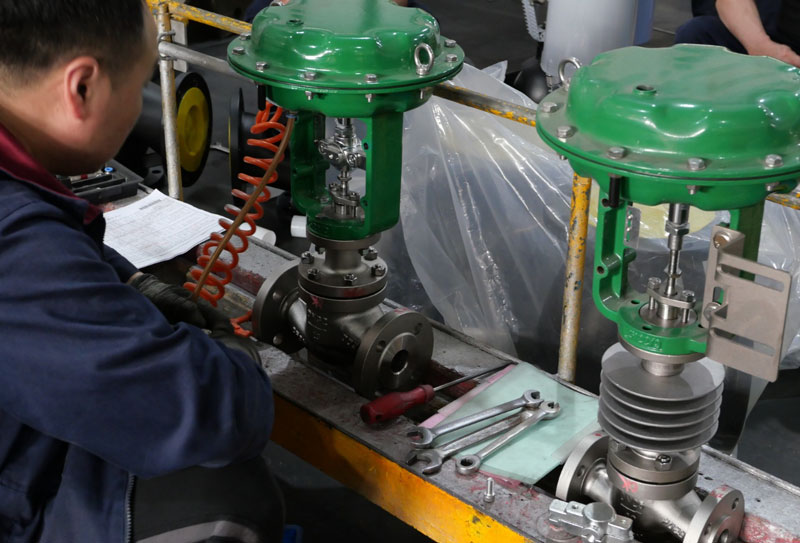
Pneumatic actuators are capable of extremely high velocities. They can reach speeds that would be difficult or expensive to achieve with electric lead screws. This makes them the go-to choice for:
- High-speed sorting
- Packaging and labeling
- Ejection systems
Adjustable Force and Velocity
With Hearken’s precision flow control valves, operators can fine-tune the speed and force of a stroke with a simple turn of a dial. This flexibility allows one actuator to be used for multiple different tasks by simply regulating the air pressure.
Environmental Resilience
Industrial floors are rarely "clean" environments. They are often subject to heat, moisture, and debris.
Durability in Extreme Conditions
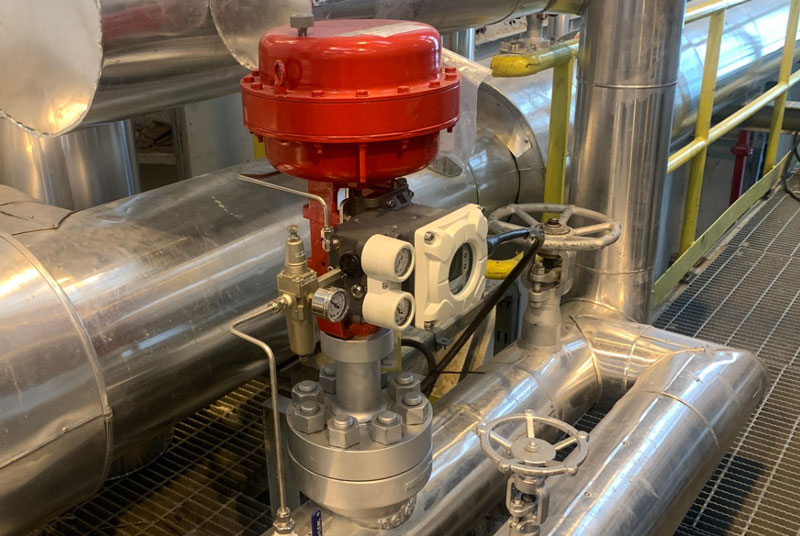
Linear pneumatic actuators are highly resilient. They can operate effectively in temperatures ranging from 0℃~180℃ (when equipped with specialized high-heat seals). Hearken utilizes advanced coating and sealing technologies to ensure their actuators remain corrosion-resistant even in wash-down environments typical of the food and beverage industry.
Clean and Leak-Safe
Unlike hydraulic systems, which risk contaminating products with oil leaks, a pneumatic leak only releases air. This makes them the standard for pharmaceutical and food processing plants where hygiene is a top priority.
Conclusion: Why Choose Hearken?
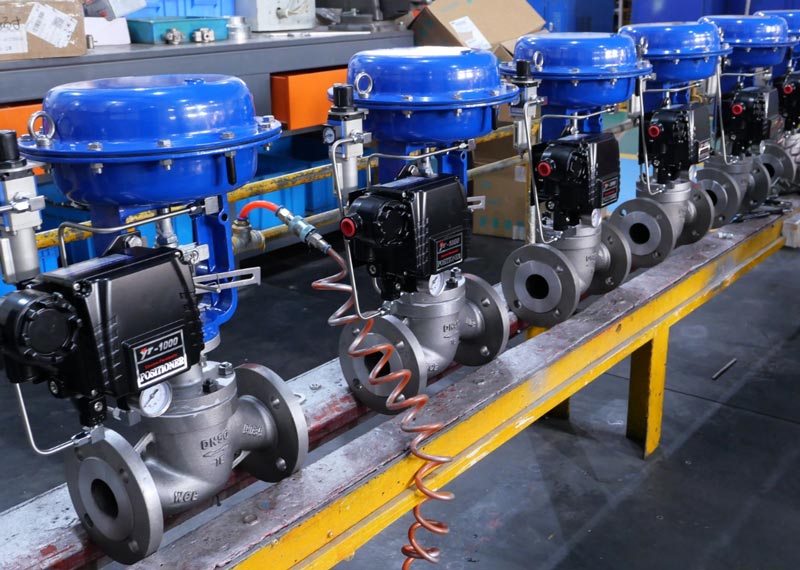
While there are many options on the market, Hearken differentiates itself through precision engineering and a commitment to durability. By choosing Hearken linear pneumatic actuators, you are investing in a system designed for longevity, safety, and peak industrial performance.
Frequently Asked Questions (FAQ)
Q1. How long do Hearken pneumatic actuators typically last?
With proper air filtration and lubrication, a high-quality pneumatic cylinder can last for millions of cycles. Regular maintenance of the seals is the key to longevity.
Q2. Can pneumatic actuators be used for high-precision positioning?
While traditionally used for "point-to-point" motion (fully extended or fully retracted), modern systems using specialized sensors and proportional valves can achieve impressive levels of repeatable accuracy.
Q3. Are pneumatic actuators noisy?
The "hiss" of exhausting air can be loud, but this is easily managed. By installing high-quality mufflers or silencers on the exhaust ports, noise levels can be reduced to well within safe occupational standards.
Q4. What is the maximum force a pneumatic actuator can provide?
Force is a product of the air pressure and the piston surface area (Force = Pressure*Area). By increasing the cylinder bore size, these actuators can generate several tons of force.
Q5. Do I need an air compressor for just one actuator?
Pneumatic actuators require a source of compressed air. However, most industrial facilities already have a centralized "shop air" system. If not, small, quiet dedicated compressors can be used for individual workstations.