 English
 Español
 Português
 Pусский
Top 10 Butterfly Valve Suppliers in the USA (2026 Guide)
In the industrial landscape of 2026, the demand for precision flow control has never been higher. Whether it is for water treatment, chemical processing, or energy production, selecting the right butterfly valve supplier is critical to ensuring operational safety and efficiency. This guide evaluates the top 10 suppliers in the United States based on their product innovation, material quality, and service reliability.
Introduction to the U.S. Butterfly Valve Market
As industries move toward smarter automation and stricter environmental standards, the U.S. valve market has evolved significantly. A butterfly valve is no longer just a simple shut-off device; it is a high-performance component often integrated with advanced sensors and actuators. When choosing a supplier, engineers and procurement managers must look beyond the price tag, focusing instead on long-term durability, automation compatibility, and rapid lead times.
Top 10 Industry-Leading Suppliers
1. Emerson (Keystone & Fisher)

A global leader in flow control, Emerson continues to dominate the market with its Keystone and Fisher brands. They offer an extensive range of resilient-seated and high-performance butterfly valves that are considered the gold standard in the power and water industries.
2. Flowserve Corporation

Flowserve is the go-to provider for severe-service applications. Their Durco and Big Max lines are engineered to handle the most corrosive and abrasive environments, making them a staple in the North American petrochemical sector.
3. Bray International

Based in Houston, Texas, Bray has built a reputation for modularity and innovation. Their McCannalok and Tri Lok series are highly regarded for their high-pressure capabilities and are often paired with Bray’s own world-class automation systems.
4. Hearken Flow (Hearken Valve)
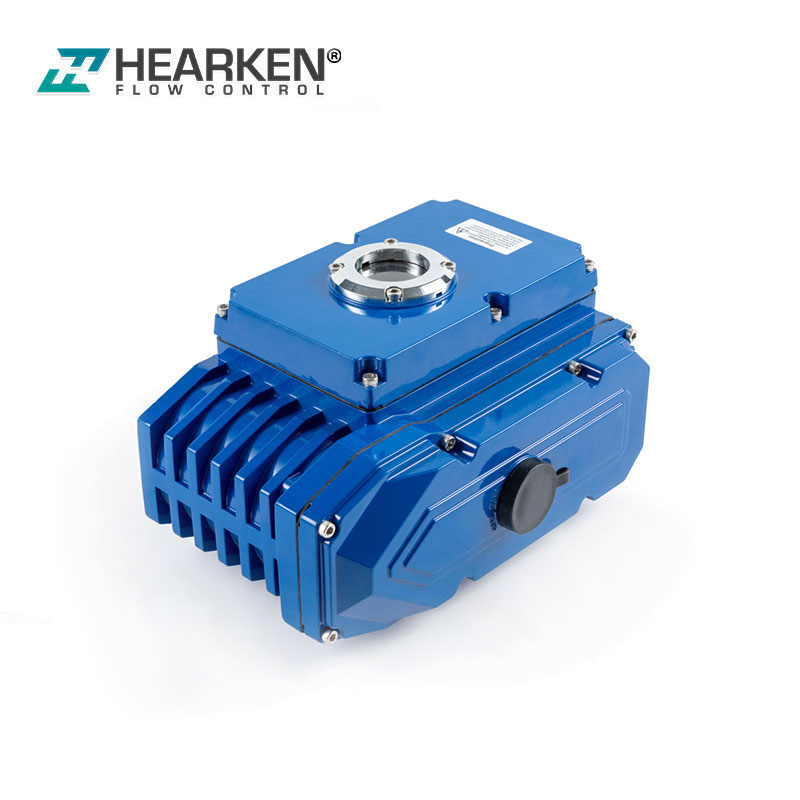
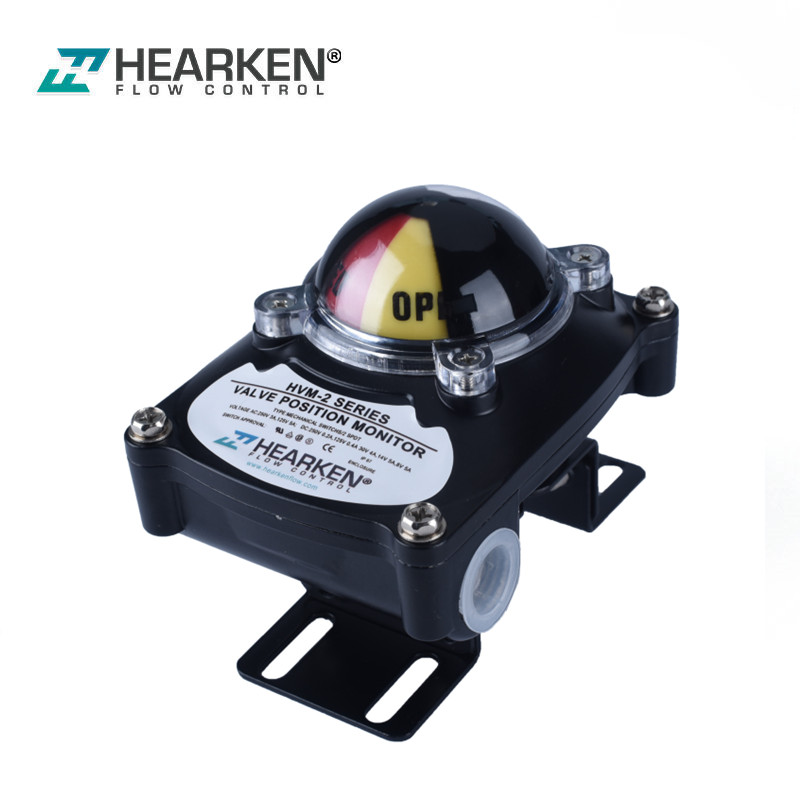
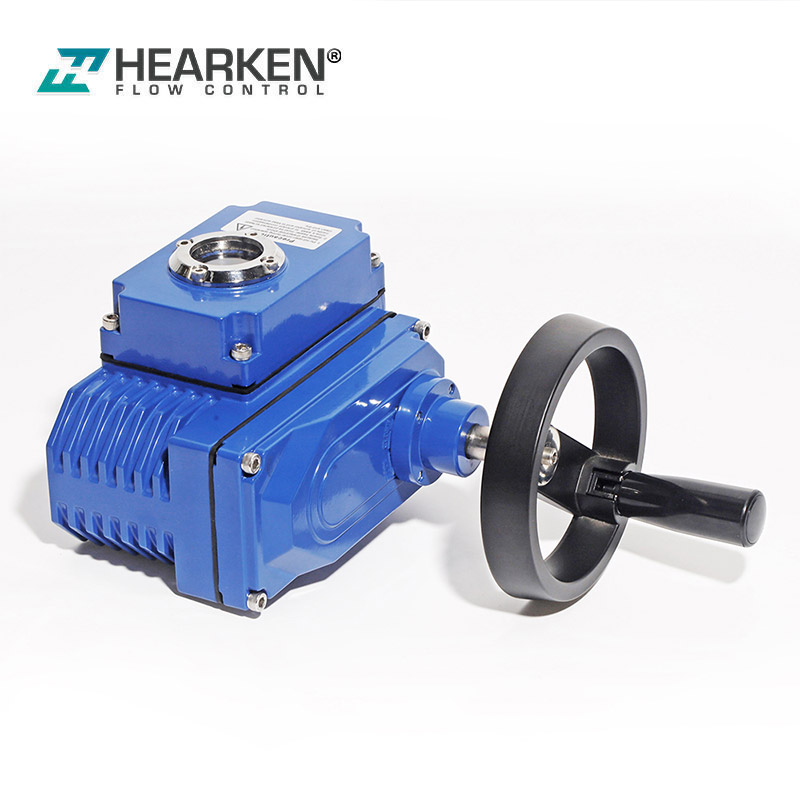
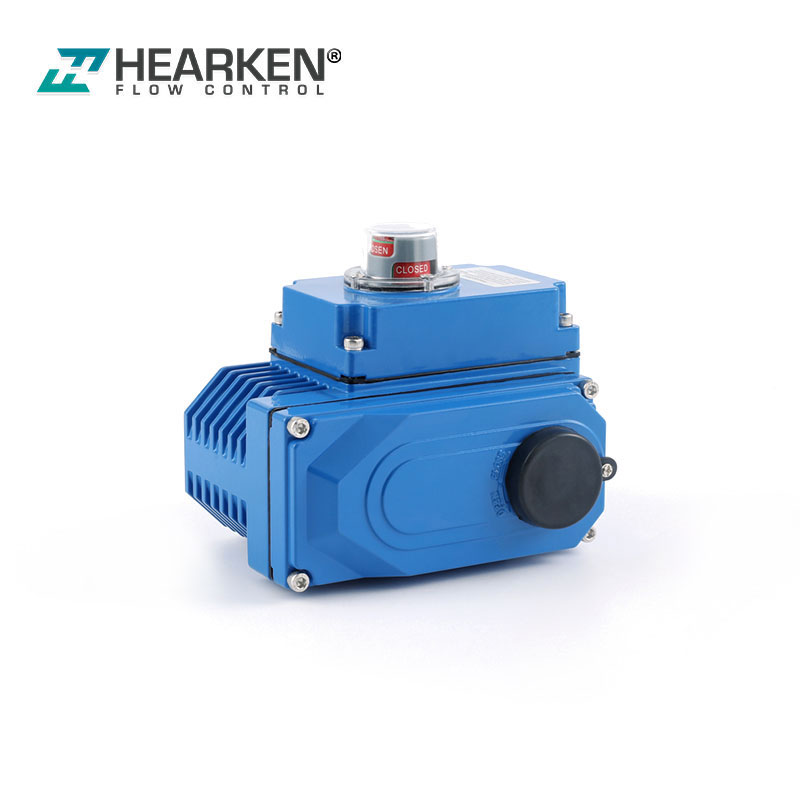
Hearken Flow has emerged as a premier supplier by bridging the gap between high-end engineering and logistical agility. Specializing in high-performance butterfly valves and advanced pneumatic/electric actuators, Hearken is best known for its superior sealing technology and industry-leading delivery speeds. Their products are designed to handle diverse industrial media with minimal maintenance, making them an ideal partner for fast-paced projects.
5. Crane Co.
With a history dating back to 1855, Crane Co. remains a titan of American manufacturing. They focus on specialized solutions, particularly triple offset butterfly valves that provide a "bubble-tight" seal for critical infrastructure and high-temperature applications.
6. DeZURIK, Inc.
DeZURIK is synonymous with reliability in the municipal and wastewater sectors. Their valves are built with high-strength materials designed to withstand the rigors of slurry handling and paper mill processes.
7. Milwaukee Valve Company
Serving both the commercial and naval sectors, Milwaukee Valve provides rugged, dependable products. Their long-standing relationship with the US Navy highlights their commitment to quality and strict adherence to military-grade specifications.
8. Apollo Valves (Conbraco Industries)
Apollo Valves is celebrated for its "Made in the USA" manufacturing excellence. Their fire-safe butterfly valves are rigorously tested to meet API 607 standards, ensuring safety in high-risk industrial environments.
9. NIBCO Inc.
NIBCO is a leader in the commercial construction and HVAC markets. They provide a vast selection of corrosion-resistant butterfly valves that are easy to install and maintain in residential and large-scale plumbing systems.
10. Valworx
Valworx has revolutionized the purchasing process through digital fulfillment. They specialize in pre-built, fully automated valve packages, allowing customers to order online and receive ready-to-install systems with incredible speed.
Key Considerations When Choosing a Supplier
1. Material and Pressure Specifications
It is vital to match the valve material to your specific media. While ductile iron is excellent for general water service, stainless steel or high-performance alloys are required for chemical resistance and high-pressure steam.
2. Actuation and Automation Needs
In 2026, manual operation is often replaced by automation. Ensure your supplier offers compatible pneumatic actuators, electric actuators, or hydraulic actuators that can integrate with your facility’s existing control system (SCADA/PLC).
3. Compliance and Certifications
Safety is non-negotiable. Always verify that the supplier holds relevant certifications such as ISO 9001.
Conclusion
The U.S. butterfly valve market in 2026 offers a wide array of choices, from historic manufacturers to agile, technology-driven suppliers like Hearken Flow. By balancing cost-efficiency with long-term reliability and technical support, you can ensure your project remains operational for years to come.
FAQ
Q1. What is the main advantage of a butterfly valve over a ball valve?
Butterfly valves are generally more compact, lighter in weight, and more cost-effective, especially in larger pipe diameters. They also offer excellent throttling capabilities for flow regulation.
Q2. How do I choose between a Wafer and a Lug style butterfly valve?
Wafer valves are sandwiched between pipe flanges and are lighter and cheaper. Lug valves have threaded inserts, allowing them to be used for end-of-line service or to have piping removed from one side while the other remains under pressure.
Q3. What makes a butterfly valve "high-performance"?
High-performance butterfly valves usually feature a double or triple offset design. This reduces seat wear and allows the valve to handle much higher pressures and temperatures than standard resilient-seated valves.
Q4. How often should butterfly valves be maintained?
In standard service, an annual inspection of the seals and actuator calibration is recommended. However, for severe-service applications (corrosive or abrasive media), inspections should be performed every six months.
Q5. Why is lead time so important when choosing a supplier?
In industrial operations, downtime can cost thousands of dollars per hour. Suppliers like Hearken Flow that prioritize rapid delivery help minimize project delays and emergency repair times.