 English
 Español
 Português
 Pусский
How to Select the Right Pneumatic Angle Seat Valve: A Comprehensive Buyer’s Guide
Choosing a pneumatic angle seat valve shouldn't feel like a guessing game. These valves are the "workhorses" of many factories because they handle steam, water, and even thick liquids without breaking a sweat.
But if you pick the wrong one, you’ll deal with annoying leaks or loud banging noises in your pipes. At HEARKEN, we want to make sure you get the right tool for the job the first time. Here is a simple breakdown of how to choose.
Why Getting the Right Valve Matters
Angle seat valves are great because they offer high flow rates and last a long time—much longer than standard solenoid valves. However, a "one size fits all" approach doesn't work here. The wrong selection leads to "water hammer" (that loud thumping sound) or a valve that simply won't open under pressure.
Step 1: Check Your Media (What’s inside the pipe?)
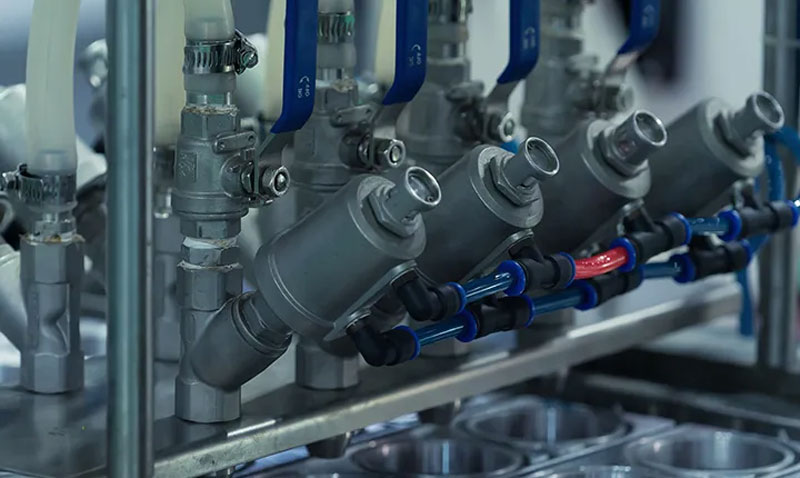
Before looking at the valve, look at what it will be moving.
2.1 Fluid Type
- Viscosity: Angle seat valves are excellent for thick liquids like syrups or oils.
- Chemicals: If you are moving harsh cleaners or acids, go with a Stainless Steel (316L) body. If it’s just air or water, Bronze is a solid, budget-friendly choice.
- Debris: If your liquid has small particles or "grit," these valves are perfect because the seat design resists clogging better than most.
2.2 Temperature and Pressure
- Heat: If you are running steam, you need PTFE (Teflon) seals. Standard rubber will fail quickly.
- Pressure: Make sure the valve can handle your system’s maximum pressure. At HEARKEN, we always recommend checking the pressure rating on both the valve body and the actuator.
Step 2: The Technical Bits (The ''How'')
This is where most people get tripped up, but it’s actually quite simple.
3.1 Flow Direction: Above or Below?
- Flow Below Seat (Anti-Water Hammer): This is the go-to choice for liquids. The fluid flows against the valve plug, which helps it close smoothly and prevents that "bang" in your pipes.
- Flow Above Seat: This is usually for gases or steam. It allows for a smaller actuator, saving you money and space, but don't use it for water!
3.2 Port Size
Don't just buy a 1-inch valve because your pipe is 1 inch. Check your flow requirements. A valve that is too small will slow down your production.
Step 3: Pick the Actuator (The ''Brain'')
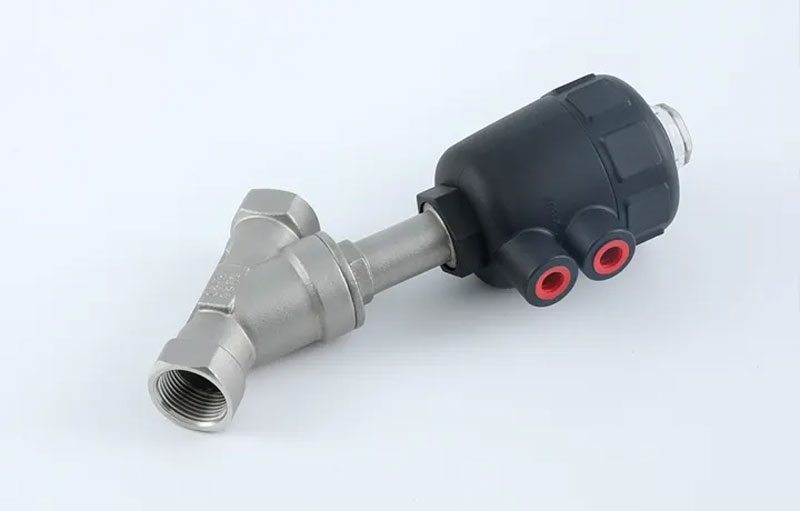
The actuator is the part on top that does the heavy lifting.
- Plastic Actuators: These are lightweight and perfect for most general jobs.
- Stainless Steel Actuators: Use these if you work in food, medicine, or a place where you wash the equipment with chemicals.
- Normally Closed (NC): This is the most common. The valve stays shut until air pressure opens it. It’s a built-in safety feature.
Step 4: Installation Tips
- Control: You’ll need a small 3/2-way solenoid valve to "tell" the angle seat valve when to open.
- Tight Spaces: One cool feature of HEARKEN valves is that the actuator can often rotate 360°. This makes it much easier to plug in your air lines when space is tight.
Frequently Asked Questions (FAQ)
Q1. Can I use an angle seat valve for steam?
Yes! They are actually one of the best choices for steam. Just make sure the valve has PTFE seals to handle the high heat.
Q2. What is "Water Hammer" and why should I care?
It’s a pressure surge that happens when a valve closes too fast. It sounds like someone is hitting your pipes with a hammer. It can break joints and sensors. Choosing a "Flow Below Seat" valve prevents this.
Q3. Do I need a plastic or stainless steel actuator?
If the valve is going to be sprayed with water or chemicals (like in a food plant), go with stainless steel. For a dry, indoor factory setting, plastic is usually fine and saves you money.
Q4. What air pressure do I need to run the valve?
Most pneumatic actuators require between 4 to 8 bar (roughly 60 to 115 psi) of air pressure to operate reliably.
5. Can I install the valve in any position?
Generally, yes. Angle seat valves can be mounted vertically or horizontally. However, mounting them with the actuator upright is usually best to prevent sediment from settling in the actuator seal.