 English
 Español
 Português
 Pусский
What is the Advantage of Limit Switch on Valves?
Are you constantly worried about process instability because you can't be sure of your valve positions? When you lack accurate, real-time confirmation from a Valve Limit Switch, your entire plant risks costly operational mistakes and unexpected downtime. The solution? Incorporating a reliable Valve Limit Switch is the simplest, most effective way to secure your automation and regain confidence in your process status.
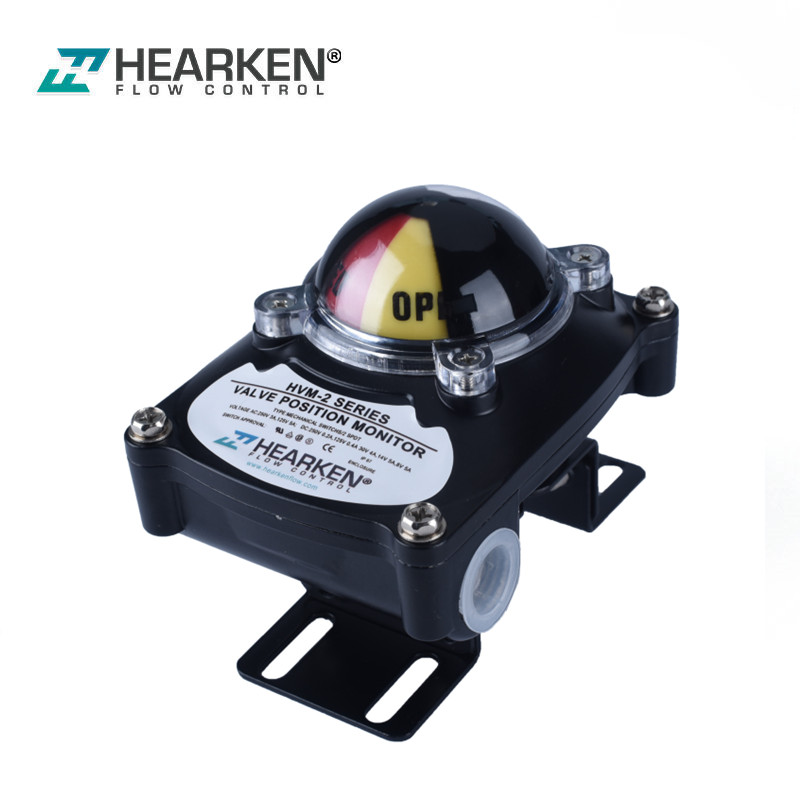
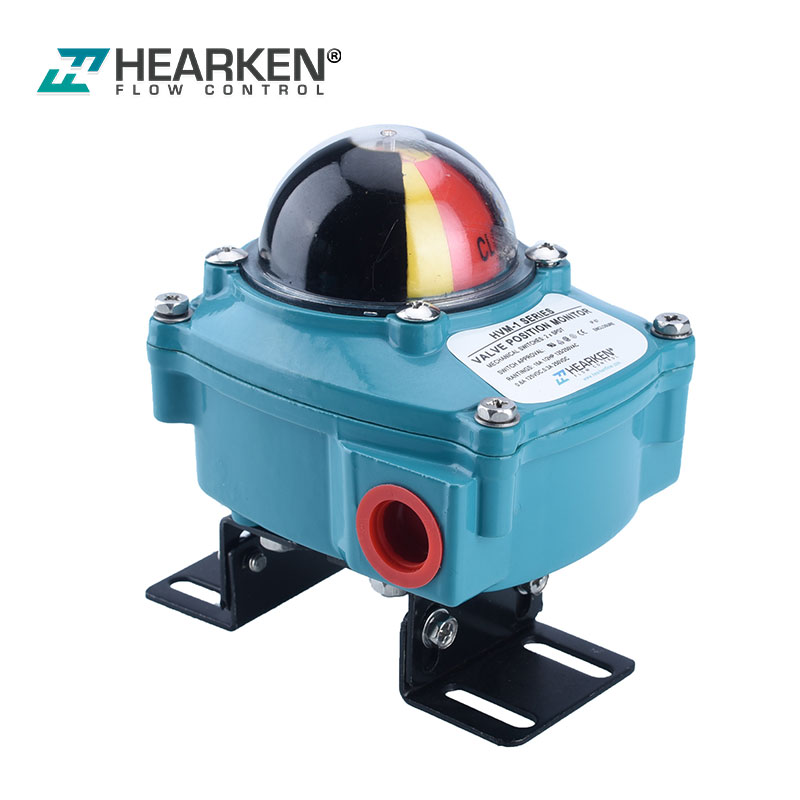
A Valve Limit Switch is an electromechanical sensor mounted directly onto your valve actuator, providing crucial electrical confirmation of your valve’s fully open, fully closed, or intermediate position directly to your control system (DCS/PLC). Its core advantage is its ability to immediately boost your process reliability, enable essential safety interlocks, and ensure every control command you send is verified and executed accurately in real time.

Ready to elevate your operational security and precision? Let's dive into the crucial roles this indispensable component plays in making your complex systems manageable.
Getting to Know Your Valve Limit Switch
Think of the Valve Limit Switch as the ultimate, non-negotiable verifier for your actuator's position. It is a robust sensor specifically designed to mechanically detect when the valve stem or actuator output shaft reaches a predetermined travel limit. When your valve is fully open or fully closed, the stem physically makes contact with the switch, instantly changing its internal electrical contact state. This action sends a clear, digital signal directly back to your central control system, giving you indisputable, concrete confirmation of the valve's true physical status. This foundational mechanism is absolutely vital for the interlocking and sequence logic that keeps your continuous and batch processes running smoothly and safely.
Main Advantages of a Valve Limit Switch for Your Operations:
Precise Position Indication
Intuitive Feedback on Your Valve Status
The Valve Limit Switch cuts through ambiguity by giving you crystal-clear, binary feedback—your valve is either ON or OFF, open or closed. This information is exponentially more reliable than simply inferring the position from the control signal you sent. For you and your operators in the control room, knowing the valve's exact status via the Valve Limit Switch is key to quick, confident decision-making. You can instantly troubleshoot system deviations and avoid cascading errors.
Remote Monitoring That Supports You
If your facility is large, you know valves can be tucked away in remote or hard-to-reach areas. The electrical signal generated by the Valve Limit Switch allows this vital position data to travel over long distances, feeding right back into your centralized control system (DCS/PLC). This remote monitoring capability eliminates the need for you to send technicians out for manual checks, drastically cutting down your response times and giving you solid data to support your predictive maintenance planning.
Reliable Safety Protection
Preventing Valve Over-Travel Damage
A critical safety function of the Valve Limit Switch is protecting your physical valve components. By detecting when the valve stem hits its mechanical stop, the switch immediately cuts the electrical power or pneumatic pressure to the actuator. This intervention prevents the actuator from forcing the valve beyond its physical limits, saving you from common issues like bent stems, damaged seating surfaces, and early actuator failure. You save costly repairs and avoid sudden, unexpected downtime.
Essential Emergency Protection
During emergency shutdowns (ESD), your safety systems demand rapid, verified valve closures. The Valve Limit Switch provides the crucial confirmation that a safety valve has, in fact, reached its required safe state (usually fully closed). This signal is a powerful input for your interlocking logic. For example, if your pump is running but the associated discharge valve's Valve Limit Switch fails to confirm the open status, the interlocking program can automatically trip the pump, preventing potential over-pressurization and protecting your assets.
Improve Your Control Accuracy
Optimizing Your Flow Regulation
While Valve Limit Switches provide discrete, end-point checks, they are indispensable for flow regulation, especially when you use quarter-turn valves for throttling. The switches ensure your valve consistently travels fully between the set open and closed positions without unexpected drift. Furthermore, in batch processes, the switch confirms the valve is perfectly positioned for the next step, maintaining your sequence integrity and ensuring product quality and flow consistency throughout your entire manufacturing run.
Seamless Collaboration with Your Automated Systems
The clean, digital output from the Valve Limit Switch acts as a crucial electronic handshake between your valve and your sophisticated automated system. Your PLC or DCS uses this confirmed position to execute complex control strategies, ensuring that subsequent actions only begin once the valve is exactly where it needs to be. This collaborative verification is fundamental for executing sequential logic (e.g., starting a flow only after the inlet valve is confirmed open) and achieving regulatory compliance through verified operational steps.
Adapt to Complex Conditions
Resilience in Harsh Environments
You know that your control valves often operate in tough spots—high heat, excessive vibration, corrosive chemicals, or even explosive, hazardous areas. High-quality Valve Limit Switches are designed to be tough. They are encased in robust, sealed enclosures (often NEMA 4X or IP67 rated) made of durable materials like stainless steel. This durability ensures the switch remains fully functional and reliable, giving you consistent feedback even when facing severe external threats.
Strong Resistance to Interference
Because the Valve Limit Switch transmits a simple, clear electrical contact signal (a digital ON/OFF), it naturally has excellent resistance to the electromagnetic interference (EMI) and radio-frequency interference (RFI) that constantly bombards industrial plants. Unlike analog sensors that may suffer signal degradation, the binary nature of the Valve Limit Switch signal is incredibly stable over long cable runs. This robust signal integrity ensures your control system receives accurate status information without false alarms or confusing signal spikes.
Economical and Efficient Operation
Reducing Your Maintenance Costs
By verifying successful operation and preventing physical over-travel, the Valve Limit Switch significantly extends the life of your equipment. Since over-actuation is a major contributor to wear on valve stems and packing, the switch reduces stress by cutting off power precisely at the travel limit. Plus, the ability to remotely diagnose a position problem using the switch status simplifies troubleshooting for your team, cutting down labor time and associated costs.
Improving Your System Efficiency
The confirmed, accurate status provided by the Valve Limit Switch allows your automation system to run tighter, more efficient control loops. In processes where valve position directly dictates blend ratio or reaction timing, the confidence you gain from the switch reduces the need for large, conservative operational margins. The result is consistently higher product quality, less material rework, and a tangible improvement in the overall efficiency and throughput of your entire manufacturing system.

A Valve Limit Switch is more than just a component; it’s a small, powerful investment ensuring your valve status is verified, your system is safe, and your automation is precise.
FAQ
1. What is the primary function of a Valve Limit Switch on an on/off valve?
A: Its primary function is to provide critical, undisputed confirmation to your control system (PLC or DCS) that the valve has successfully reached its end-of-travel positions (fully open or fully closed), which is essential for safety interlocks and process sequence integrity.
2. Is a Valve Limit Switch necessary if the valve actuator already provides continuous position feedback?
A: Yes, it is. While continuous positioners show the commanded or estimated position, the Valve Limit Switch gives you physical verification that the mechanical components have truly hit the hard stop, offering a much higher, indispensable level of assurance, particularly in safety-critical loops.
3. What types of signals do Valve Limit Switches commonly output?
A: The most common signal is a discrete (digital) contact closure or opening (ON/OFF) via dry contacts. However, you might also see them use non-contact sensing methods, like inductive or magnetic proximity, for use in particularly harsh or high-cycle applications.
4. How does using a Valve Limit Switch help reduce valve and actuator maintenance?
A: It protects your equipment by physically preventing the actuator from over-traveling. By cutting power or pressure precisely at the travel limit, the switch minimizes mechanical stress and wear on the valve stem, packing, and gear drive, significantly reducing the frequency of costly repairs you need to perform.
5. Can I install a Valve Limit Switch on a modulating (throttling) control valve?
A: Absolutely. While continuous positioners handle the throttling duty, Valve Limit Switches are still installed on these valves to confirm they can reach and hold their absolute end limits (fully closed for isolation or fully open for maximum flow), guaranteeing the valve retains its full operational range.