 English
 Español
 Português
 Pусский
What are the Three Main Types of Actuators?
Using the wrong motion control can lead to system failures and expensive downtime. To keep your operations running efficiently, you need to select the right actuator for your specific industrial environment.
The three main types of actuators are pneumatic, hydraulic, and electric. Pneumatic actuators utilize compressed air for fast, cost-effective movement; hydraulic actuators use pressurized fluids to generate immense force for heavy-duty lifting; and electric actuators rely on motor-driven energy to provide high precision, easy integration, and programmable control for complex automated tasks.
While these three technologies serve a similar purpose, their internal mechanics and performance capabilities vary significantly. Let’s dive deeper into how each one functions.
How Do Pneumatic Actuators Power Industrial Valves?
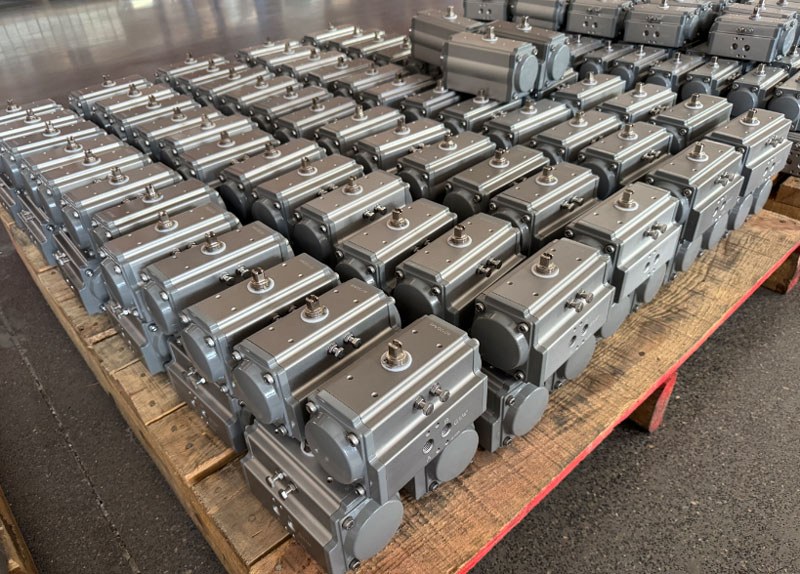
Pneumatic actuators are widely favored in manufacturing because they are durable, simple, and safe. These devices convert energy from compressed air into linear or rotary motion. In many factory settings, a pneumatic actuator double acting setup is used to provide power in both directions, while a spring return pneumatic actuator is preferred for fail-safe applications where the valve must return to a "closed" or "open" position if air pressure is lost.
Because they do not rely on electricity to move, they are ideal for environments where sparks could be dangerous. You will frequently see a rotary actuator pneumatic design used to operate a 4 inch butterfly valve pneumatic actuator or a stainless steel pneumatic actuated flanged ball valve. These setups are common in chemical processing and food production. Whether it is a mini pneumatic actuator for small tasks or a heavy pneumatic actuator for large-scale operations, these systems offer high-speed performance with relatively low maintenance costs.
Why Are Hydraulic Actuators Used for High-Force Applications?
When a project requires massive force that air pressure simply cannot provide, hydraulic actuators are the primary choice. These systems operate by using an incompressible liquid, such as oil, to move a piston within a cylinder. Because the fluid does not compress, hydraulic systems can maintain extremely high pressure and provide smooth, consistent movement even under varying weight loads. This makes them indispensable for heavy construction equipment, large dam gates, and heavy-duty manufacturing presses.
The main trade-off for this power is the complexity of the system. A hydraulic setup requires a pump, a fluid reservoir, and a network of hoses. While they are incredibly strong, they are also prone to fluid leaks, which can be messy and require regular maintenance. Despite these challenges, for applications where lifting thousands of pounds is a daily requirement, the power-to-weight ratio of a hydraulic system is unmatched by either pneumatic or electric alternatives.
What Advantages Do Electric Actuators Offer for Modern Automation?
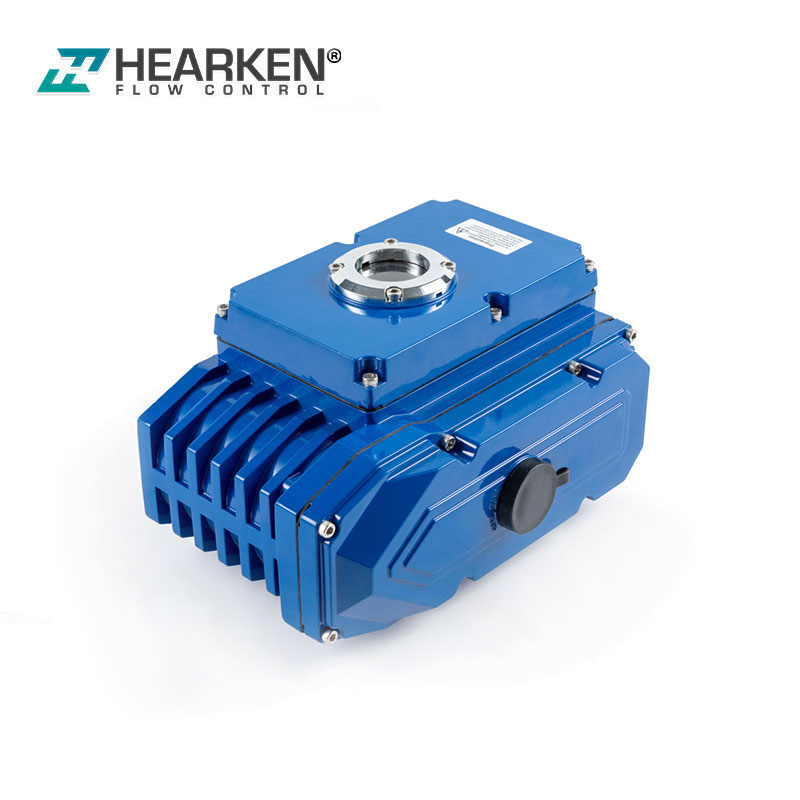
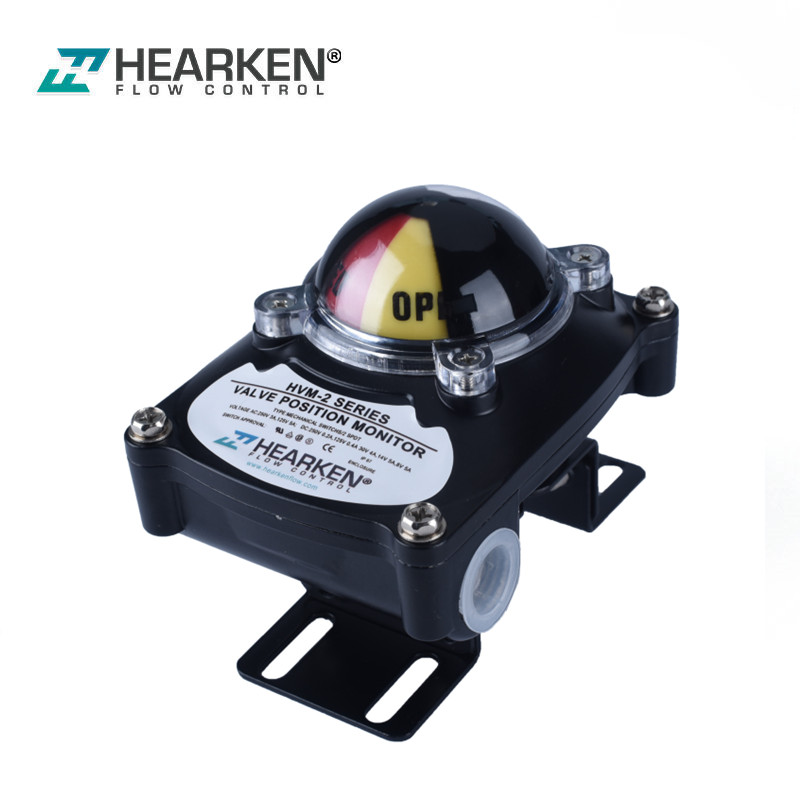
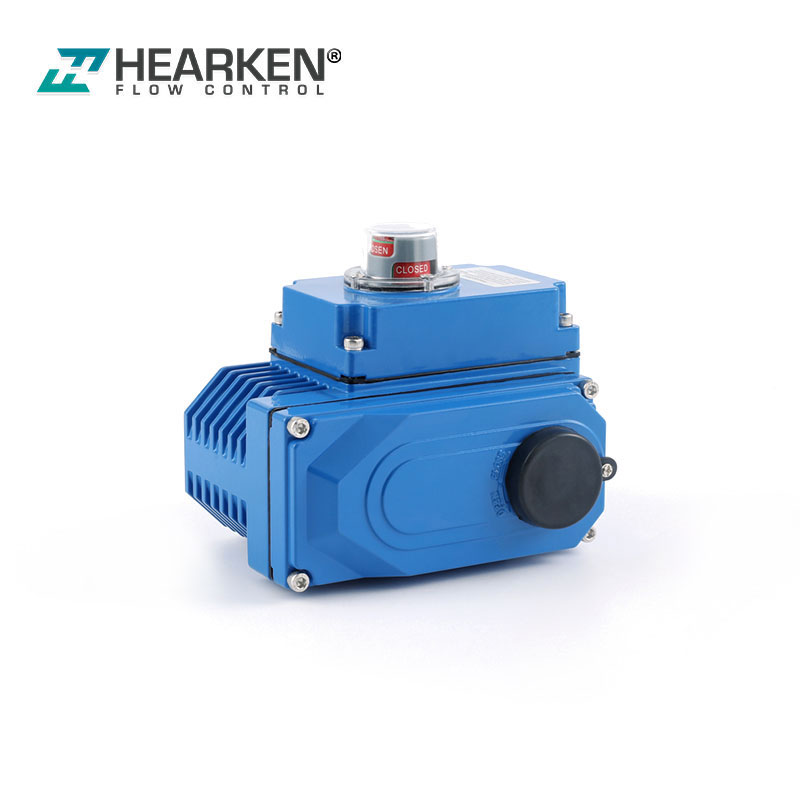
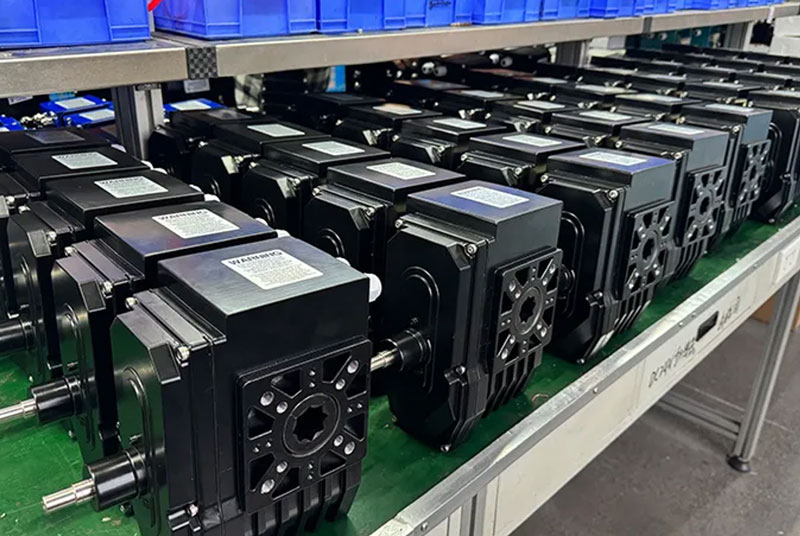
Electric actuators have become the standard for precision-driven industries. One of their biggest strengths is the ability to receive and send data; for instance, a 4-20ma electric actuator allows for precise positioning and real-time feedback to a control center. This makes them perfect for smart factories where every movement must be tracked.
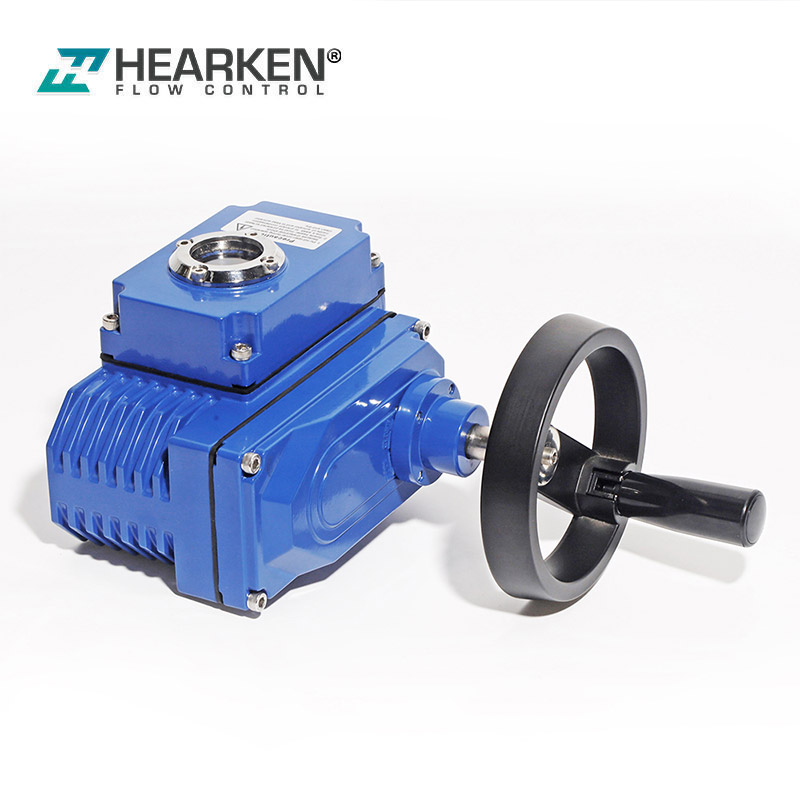
Companies like Hearken specialize in providing high-quality solutions, including the motorized valve electric actuator and the multi turn electric actuator, which are essential for complex flow control. For outdoor or harsh environments, a linear electric actuator ip68 offers waterproof protection, ensuring the electronics remain safe. Whether you are using an electrical valve actuator multi turns for a large gate or a high quality electric ball actuator for a lab, electric systems provide the quietest and most energy-efficient performance. Hearken continues to innovate in this space, offering reliable components that integrate seamlessly with modern digital controllers.
Summary
Selecting the right pneumatic, hydraulic, or electric actuator depends entirely on your specific requirements for force, speed, and precision.
FAQ
1. What is the difference between a single-acting and double-acting pneumatic actuator?
A single-acting actuator uses air to move in one direction and a spring to return, while a double-acting version uses compressed air for both the opening and closing strokes.
2. Why is a 4-20ma signal important for electric actuators?
The 4-20ma signal is a standard communication protocol that allows for "modulating" control, meaning you can tell the actuator to open to a very specific percentage, such as 45% or 72%.
3. Are electric actuators suitable for outdoor use?
Yes, as long as they have the correct rating. An IP68 rated actuator is designed to be dust-tight and protected against long periods of immersion in water.
4. Which actuator type is the fastest?
Pneumatic actuators are generally the fastest, making them the top choice for high-speed packaging and "pick and place" assembly lines.
5. Why would I choose Hearken actuators over others?
Hearken provides a wide range of specialized components, known for their durability, precise control, and compatibility with various industrial valve standards.